Investing in Fintech by principal at Costanoa Ventures - Amy Cheetham
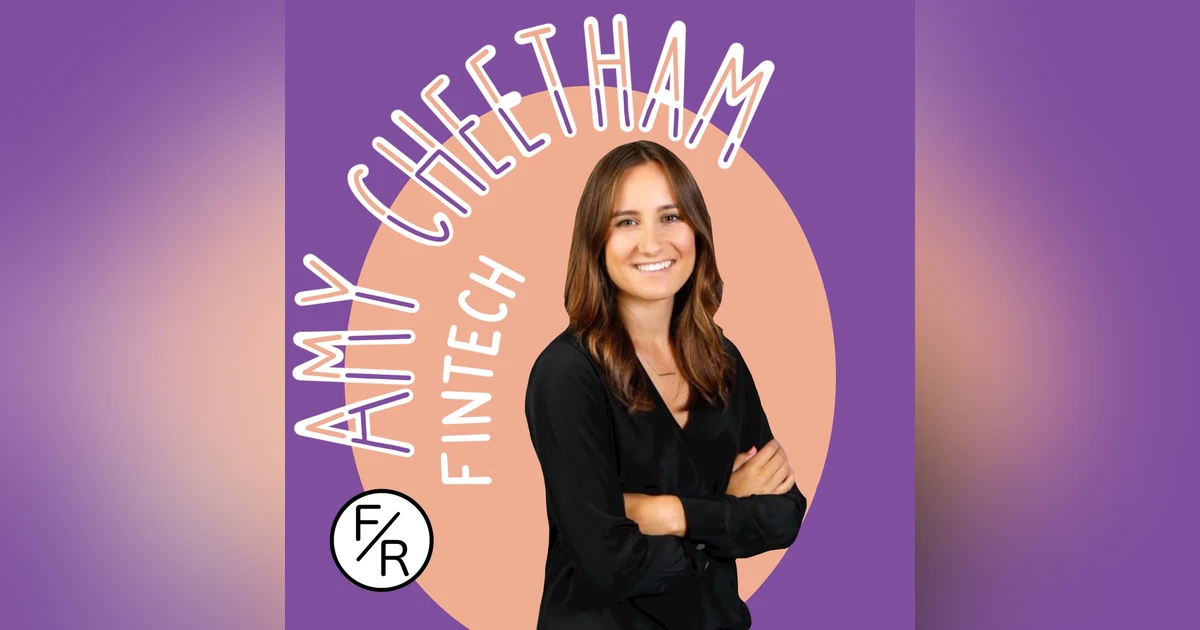

Amy Cheetham, principal at Costanoa Ventures talks about investing in Fintech during the pandemic (and post-pandemic) and how founders in these fields should work with investors at times like this.


Amy Cheetham, principal at Costanoa Ventures talks about investing in Fintech during the pandemic (and post-pandemic) and how founders in these fields should work with investors at times like this.
Amy's LinkedIn: https://www.linkedin.com/in/amy-cheetham-61835127/
Amy's Twitter: https://twitter.com/amyecheetham?lang=en
Amy's Investment Profile: https://signal.nfx.com/investors/amy-cheetham
Costanoa Ventures: https://www.costanoavc.com/
P.S. Happy New Year! The next episode will be released only on January 4th.
0:05 They're releasing to fundraising video a podcast about fundraising for early-stage startups. The major rules that we follow here is no bullshit on this podcast. No music to relax, you know, advertisements of our sponsors. We only talk about fundraising here and nothing else. So let's jump into the episode and today is a guest speaker. We have any Cheetham, principal add, Costa, no adventures. And this episode. We'll talk. Talk about ghosts and other Ventures. Would it is like going from big company to a smaller funds who should actually pursue that 3 or off and enjoying first, some big Corporation and then starting his or her own Stirrup. And of course, we'll talk about fundraising. So. Amy a let's kick it off by you giving us some background on yourself and on castano adventures.
0:50 Absolutely. Thanks for having me on and happy to share a little more background. So I joined Costa Noah a little over a year ago, and I'm a principal on the investment. They're my background is mixture of operating investing. So before joining Costa Noah, I was at Zora running sales strategy and operations, for one of their business units and then prior to, that spent three years at Summit Partners doing growth Equity investing and a few years before that as a on the dark side, as an investment banker, at JP Morgan. So that's the, that's the quick background on me. And then on Costa Noah, we're an early stage fund based in SF primarily. From seed to series a. And we've been around for about eight years focused on B2B software.
1:37 Nice, that's a pretty rich background. So my next question was actually, what does because I know Ventures investment, but you kind of answered that, could you just elaborate a little bit? What's a level to invest in? What's the average excise? They're absolutely. Yeah. So we typically will invest 1 to 10 million across seed, and series a, and typically leader co-lead. So we're a little more concentrated usually take a board seat. And, you know, I mentioned before, Or we're all focused on B2B software and within that we spend a lot of time, particularly in infrastructure, fintech a plate, applied Ai, and then, vertical and horizontal SAS.
2:19 Nice, actually. I can you tell us a little more about vertical and horizontal SAS? Not getting a lot. I'm not sure what it is. Yeah. Yeah more just, you know, there's certainly vertical specifics ass. So think like hell, you know, Healthcare a player SAS or you know something that's more specific to an industry, vertical. And then horizontal. I usually think of being something that's more role-specific. So maybe it's sales software. We're but it doesn't really matter what industry you're in, you could use across any industry. Just maybe a little more role-specific. I got it. I got okay in my defense. I'll say I knew I just forgot the terminology for that thing.
3:01 Alright next question just a little bit more about khosla Ventures and then we'll move on. Question is about your role. So as a principal at Austin Adventures would what's your primary? Rule would does take most of your time there? Kinda depends on the week and all honesty, but I'll give you the the rough breakdown. So my role is everything from working with portfolio, companies to sourcing new Investments and being an active member of the investment team. I probably spend 60% of my time. I would say, out meeting new companies and doing diligence, and hopefully executing new Investments. So, a lot of time sourcing meeting new companies.
3:43 He's building industry Theses and figuring out where to spend my time and other component which, you know, you laugh. But like that actually is a challenging part of the role, I think. And then the secondary component is the companies that I work with whether, you know, On the Border as a board, Observer spending a bunch of time with them, kind of post investment. As I said, we're a little more concentrated and so tend to spend a lot of time with the company is in our in our portfolio. So it's a Sure of sort of like, you know, portfolio maintenance. And then, of course, going out and finding new companies to invest in. All right, right. Actually, I feel you're being here every morning.
4:24 I spent like 20 minutes thinking of what am I supposed to do today? To make supplies? My usability basically. All right, as a principal, you mentioned that, you see a lot of companies, you do a lot of due diligence and those are what are the major factors that can look at. Once you're running zoo. I do due diligence on the Any four areas we think about as an investment team and I'll give you those rough buckets. And, of course, there's lots of other things we think about but usually at Cedar series, a we look a lot at product and of course, depending whether you're at Cedar series a it might be very different, right? And Seed, it might be an idea and it series a hopefully it's in market and is a much more fully formed Vision, but so spent a lot of time on product diligence a lot of On Market, diligence understanding.
5:15 What's the opportunity look like today? Or maybe it's a market formation opportunity and there's a chance to, you know. ABS engaged and enlightened people about a new market opportunity. And then, you know, the team. Honestly, I think is the biggest thing for us particularly at seed at series a, you have a few more financial indicators. And so you have to be, you know, you can be a little bit less reliant on. Just what's the team like are they going to be the people that can build a really big business or they industry experts or area, you know have area expertise in the in the industry they're building in. So those are Rebate components. And then I say the last part, that's probably something that doesn't get talked about quite as much, is just the deal.
6:01 Like, what are we paying? What do we think? You know what type of risk from a pricing standpoint? Are we willing to take and does our excitement about the other three factors line up with the the, the price, and the deal Construction? interesting, and a lot, so here, we're moving on to the To how you got to be CH way. So I have I would say you listen, 1% of my listeners are actually future be seized or current be seized and that's that's the question for them. So you've gone through JPMorgan before. Joining us know by injuries. Would you recommend other people doing the same thing? So going through a big company before starting something by yourself or joining a VC world or start world?
6:48 Yeah. I think it very much dependent on what type of venture. Want to be in, you know, for for my path, which went through a growth Equity Firm and was, you know, initially at least more focused on later. Stage, investing having banking experience, was really important because at a later, stage fund, so much is predicated on the financials, and you really need to be very quantitative person and have that Financial background. So, for my particular path, I think it makes a lot of sense. I would say, However, if you know you want to be a seed or series a investor and want to invest at the very early stages, I think going and getting some sort of product, or operations experience at a tech company is probably maybe not a better path, but it's certainly an equally helpful path.
7:42 They can give you just a lot of really good building blocks for learning, how to assess, products, or just having more empathy for how hard it is to build a company. So I think if I had known initially right coming out of college that that I wanted to be in really early stage. I might have considered that so I think it's sort of stage dependent as to what the best path is, Right. Absolutely. I think Investment Banking is slightly less helpful at early stages. I'm saying that is majoring in Investment Banking right now, right? This put, so it was talking more about early stage investing and fundraise specifically, so, First question is, very basic. Very general Buzz.
8:27 Do I would like to ask you that? What do you think are the major major major benefits of investing at those early stages? Well, if the company hits, it big clearly Financial return can be can be a significant factor, but I there's a couple benefits. I think one is that you get to be much closer as an investor to the ideation and the actual building of the company, whereas, you know, if you come in series, b or c, for example, like you're going to assume they found product Market fit there. Much more in a scaling up phase and it's going to be a lot more about perfecting what they've already built and adding on products and continuing the vision rather than getting in at the ground floor and being there when he product decisions.
9:18 Probably key hiring decisions, maybe even, you know, hiring another co-founder just a lot of these really early Palmer stations are happening and I think as a more Junior person in earlier stage investing you off. And get out sighs responsibility at an earlier level because the company is are smaller and you're probably making a lot of Investments every year just because you're writing smaller checks. So I think there's an opportunity for a more Junior people to get outside responsibilities and really benefit from from that. So, from a career standpoint, I think it's great. And then certainly as you think about the, the financial benefits and then sort of the intellectual benefits of being there, really early, I think are really significant. Mhm.
10:05 Nice, my next question was, what should Founders raising their first round focus on? But I figured, that's too General. So let's actually go over hypothetical company. So let's say, I have a B2B SAS company. I have kind of the MVP. I have a few pain better customers and I want to start fundraising in three months in three months. I want to open my brown to outside investors. What should I focus on in this? No. Three months. Well, having customers, first of all, is amazing and often the seed companies. I look at don't so you're already ahead of the game and I would say that a couple of things, one is just having a really clear run down of what you're building.
10:54 Why it's different and what pain point it is that you're solving and being able to articulate that and an extremely clear way hopefully in a sentence, right? And and then being able to say, I know this pain point is real because here are the customers I already have and here's the laundry list of all the customers that I've talked to, to help me develop this idea. So I think it's really this marrying of, you know, building a product that hopefully works and is solving a pain point. But also like really being able to back up the fact that there's a real pain point there and that people are going to pay for it again. So much of this stuff. You're not going to be able to prove out if you're a seed company, but you To have an argument and a hypothesis.
11:39 And I've done the research, even if you don't have customers. So that's certainly on the product and Market side of the house. And then the third component for me would just be, why are you the right person to build that company and have a very clear ability to articulate why you and hopefully, your team are going to be the best Founders to build this business. Absolutely, speaking of the team, by the way. How many times did you Jack the company because you saw those only found by one single person instead of, you know, the senator two co-founders or even three co-founders. Yeah. That's a great question. Um, I would say not that often actually because I think it's actually rare that I've that I meet single founder teams that are in that process.
12:28 What's much more? Common though is that I meet a Founder very early on in their process. They probably haven't built a product yet. And they're just looking for a co-founder and so often times I'll buy into the vision and I'll love them. But my interest will be semi contingent in, you know, in on them finding the right person to sign up as a co-founder. So, I think it's and in those situations often we try to be helpful and help, you know, it's in our best interest to help them. Find someone good. If we think that solo co-founder is exceptional so I don't I actually can't think of a time when I pass specifically because of That but I've definitely told people it's too early and they need to find that other person before I'm willing to invest.
13:13 Mmm-hmm. Right? Make sense. So speaking of finding the co-founder Woods, do usually recommend Founders, some specific method of find those co-founders or to just say go find co-founders, somehow it's hard. I think there are it depends on what what industry you're building and Ray and I think some some areas we probably Probably have better ability to do some of that matching. I'm building my kind of fintech network at the moment. And that's been an area where I feel like we can be maybe a little more helpful just because I've got a deeper Network there. I mean luck. It's hard. I think you have to put out feelers everywhere, utilize every channel. You've got whether it's social media or slack groups, you're in, or people that you've met in your industry and just be really You're looking for someone interesting and talk to as many people as possible.
14:07 You know, we of course, like people list of people we've met that we think are awesome. But it's honestly, fairly rare that there's going to be like an immediate perfect fit in our Network and takes a lot of digging on on both sides. So I think it's a challenging search and I've got a lot of empathy for people that are working on finding the right partner to start a business with absolutely right and that can get tough. So I highly recommend you start. Start doing that early starting early, not just like couple months before you start fundraising speaking of fundraising. And so on our printer recall, you've mentioned that and persistency is one of the very important factors in to start world and in fundraising specifically. So question is how much persistency is enough in fundraising.
14:55 That's hard. I yeah, that's a really a really hard thing to gauge. I would say if you are getting to a point where you're getting a lot of NOS for whatever reason and by the way, let me caveat this by saying that all as we've probably seen on Twitter this week with the door - in Air B&B IPOs, like clearly. So many people said no to those companies. So you are not alone if you're getting knows. But I would say if it gets to a point where You spend, I don't know three, four, five months, or Beyond fundraising, and you're just constantly hearing. No, I would challenge you these, you know, someone in that position to be really interesting fact about what that feedback is and try to go back and figure out what you can change either in your pitch or about the business that might allow you to better fund raise. And I would also ask yourself is the fundraising becoming so distracting that Are not able to focus on building your business and those would be the two gauges for me. And then the last component would just be, what do you have for alternative options?
16:04 And with some people might be able to raise a friends and family around. I probably wouldn't if I was praising her raising around but some people might be able to and then I would also say like there's debt, there's Venture debt. There are Community grants, especially if you're outside, the Bay Area. So many states and cities have For people that are starting companies, you know, there are lots of alternative options. And so if you start to feel like, hey, I'm getting a lot of nose and it's really taking away from my ability to build the business. I'd start to see if there are alternative funding options out there. Absolutely, that's actually great advice.
16:45 Definitely recommend following that advice and there is actually a link in our official website. Fundraising, we deal where you can check out episodes based on the topic and one of the topics is alternative sources of funding for startups. So definitely check it out there. There's just like we covered tons and tons of those. So definitely check it out. Next thing is, let's say, the founder doesn't really see any other way of, you know, Fundraising and has to go through Reese's. So, what's the best way of reaching to early stage investors like Coast Ona? Because 10 right now, now I'm struggling to pronounce it. What's that? Noah Ben Carson?
17:26 Oh, yeah. Person of Interest my bad. Oh, you're good. Yeah, I would say, for us specifically. I think we've got emails on our on our website. And, you know, I am very responsive via DM on Twitter. In terms of other VCS. I think one of the things I really want Founders to remember is that, if you're going to send a cold email, and by which, by the way, I am very Pro cold email, like send cold emails. You do not need to get a warm intro. Clearly. Those are helpful, but I recognize that not, everybody can do that, and that should never be a gating factor to getting in touch with a VC, but I will caveat that by saying that you need to do your research. And, you know, I get in bounds.
18:12 Time for Consumer companies. And it always baffles me because it's one, I say it in my profile on Twitter and then it's on our website. Like we don't invest in consumer and so be really mindful of that because people are going to know whether or not you read their website. If you're off Target for them and maybe you can't tell from their website. That's fine. Say that in your email just be like, you know, I wasn't sure. I couldn't totally tell her you guys invested. This is my pitch. Let me know if we're fed. So I think being are really targeted, being and writing a concise note about why you're building what you're building. Why are the right person to do it and why you're reaching out to that VC. Those would be my big tips, but look like send cold emails. You're probably going to have to send a lot of them and don't ever feel like you can't get in touch with the VC because you have to get a warm and show.
19:05 I think that's I think that's just silly. Honestly. Absolutely. Absolutely 2020, you know. You do not need to have those warm ain't Rose anymore. I mean, they definitely help but not as much as before. So definitely enjoy 2020 people. So in this question, just this morning actually, I interviewed the founder of to can and she said that one of her first investment she got from a VC that previously rejected her with the other company that she and the team started. They just you know that BC invested in them as soon as they opened around because they knew the company I In the new team and they didn't really care about the idea as much.
19:45 They just would like, okay, we're going with it seemed. So question is, how many times have you rejected the founder? And then the founder came back with something new, maybe an actual like whole new idea, or maybe update results and you've changed your mind. Yeah, I'm about, I'm probably a bad case study here because I don't think I've ever done that. Well, okay, I guess I'll caveat it by saying I've never explicitly said no and then you know two years later had that same team come back. I have definitely given feedback and said look, I really like you. I don't think the idea is quite there and then over the course of three or four months been a part of that ideation process.
20:31 And sort of help someone get to a point where we were more excited about investing in the idea. So, I think that has happened. It's probably, but I haven't had a situation like, the the toucan founder was mentioning where, you know, three years ago. I said, no, and they came back with a different idea. I'm hoping that will happen to me at some point, but haven't had that luxury yet. Nice. Well, silt, you know, being a part of ideation process and then investing in the new idea, sounds sounds pretty good, but speaking of ideas question, Not really related to fundraising. But what is the craziest idea that you were ever pitched? I, well, you have to remember that. I was an associate at Summit Partners for three years and we got, you know, it's a big fun.
21:17 Right? And so, we got a lot of very bizarre inbounds and the one probably never and I wish I could pull up the deck and I should probably tweet it out at some point because it was so insane. I got an inbound pitch and the The line of the email was billion dollar opportunity in animal print and I opened the email back and the decal is like a 30-page deck did all. It talked about was how they were going to build a mall that exclusively sold animal print products. I'm not making this up. Honestly. I didn't even know what to think about it, but it made my day and it was probably one of the funnest things.
21:59 I remember God. That's perfect. That's perfect. I hope someone one day someone will invest in that and I will give it that mold for sure. It's just tell me. All right, on that. On that positive note. We're moving on to the last question of today's episode, which is a call to action. So, Amy, what's the one thing you want to listen to do as soon as the episode is over? Yeah, I would say that they should go back to whether their fundraising deck or whatever. It is, and their sales deck. Anything they use to pitch their company, whether it's to VCS or two new hires or two customers.
22:40 And make sure that in two sentences, they can explain what they're building. Why it's important, why people should invest or become a customer now and why they're the right team and make sure that those You know, for kind of critical points are just really hitting their prospects over the head for regardless of whether, you know, whether they're a VC or a customer or a new hire, perfect. Yes, that's a wonderful advice, you know, putting your big, big idea into something really short and simple. That's just perfect and wonderful exercise. I'm telling you, it might take you a whole day to write those two senses, but hundred percent worth it and will definitely help, you know, understand you are your own idea better.
23:24 So, definitely followed that advice. I'll make sure to leave a link stew. Because no Adventures, of course, two Emmys Twitter, and maybe just something else, maybe not. We'll see if I will come up with any other links that will share in the description of this episode. But definitely, my call to action is usually, first of all, follow Amy's advice, and secondly, check out the description of this episode, a bunch of helpful information will be there including a maze contact information. So, do that, and as usually have a good day.