Raise through an SPV-syndicated round. What does that mean? Jeremy Neilson from Assure will explain
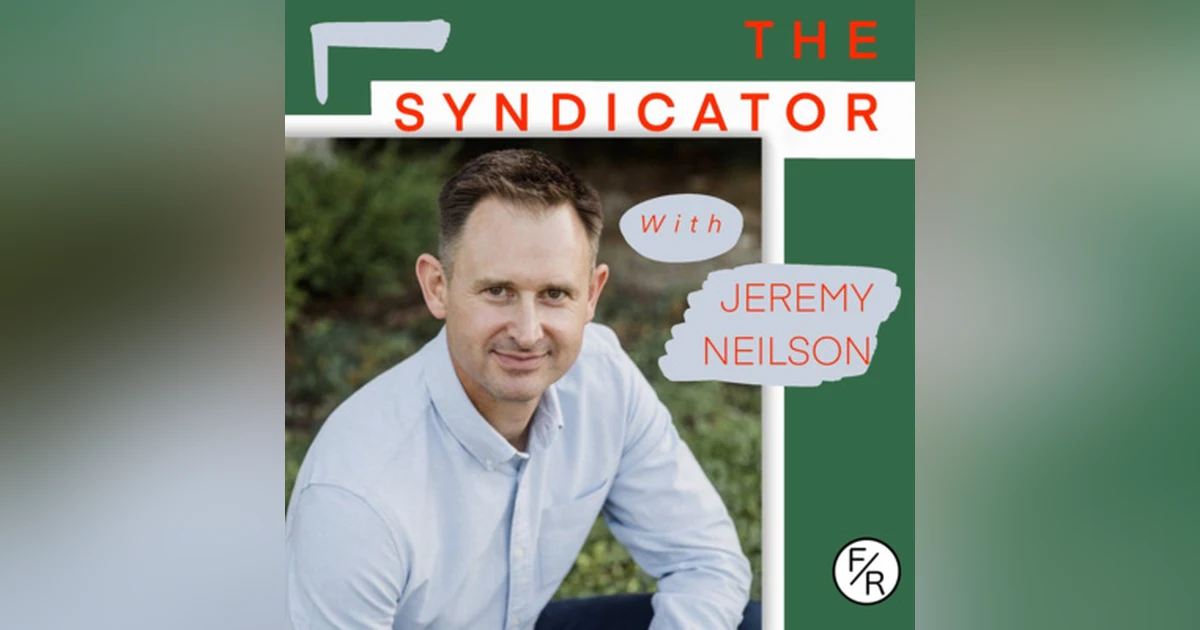

Jeremy Neilson, CEO and Co-Founder of Assure in this episode explains how SPVs work and what they are, how founders can use them to make their rounds easier and what are the expected costs of creating an SPV and syndicating your own round.


Assure's site: https://hubs.li/Q015d7j-0
Jeremy's LinkedIn: https://www.linkedin.com/in/jeremyneilson/
Assure's bootcamp: https://boomstartup.com/
Assure's Youtube: https://www.youtube.com/channel/UC_4LhtX361MEw5l6nenLkWQ
Some topics covered in this episode:
- you've been the co-CEO of Assure for over 10 years until 2020, why did you decide to co-CEO a company and how did that play out?
- Assure is best known for serving investors, but your head of partnership reached out to me to talk about founder-led SPV, how do those work?
- why does such an SPV makes sense and what are the major benefits of it? Any downsides? Pricing?
- does it work post-friends and family?
- a lot of founders who have sold their previous companies frequently start investing in companies that align with the goals of their newly created startups, how would you recommend those founders structure such investments?
P.S. Fundraising Radio is a non-profit organization, this episode is not sponsored by Assure. We are running ads for this particular episode as a part of the testing campaign to discover their effectiveness of increasing the number of active listeners of FR and that campaign is indeed sponsored by Assure.
0:05 They're releasing to fundraising video a podcast about fundraising for early-stage startups, the major rule that we follow here is no bullshit on this podcast. No music to relax, you know, advertisements of our sponsors. We only talk about fundraising here and nothing else. So let's jump into the episode. And today's guest speaker, we have Jeremy Nelson CEO and co-founder of Usher. And today we'll talk about the spd's and specifically how it sure is transforming them from being the vehicle specifically for investors to be in a vehicle for Founders to make a more comfortable race for themselves. And we're going to talk about what it means to have a Founder run as PV and how those works and how those can help you raise money for your company.
0:50 So Germany, let's kick it off by you giving us some background on yourself. Self. And on a short-term, thanks for having me a sure we do as peavey's. Where spb Ninjas Geniuses if you will and a little background. My background is in Industry, I went to a lot of school, got a law degree, got an MBA, then was hired and to launch and run the state of Utah's Utah fund of funds program, where worked with entrepreneurs worked with VCS and that's how I got. Into the business, learn the business. If you will my co-founder she was operations. Worked at Fortune 500 companies and she's also my wife. So she spent a lot of time managing the home and is the sure and our lives kind of combined and moved and eventually collided where she and I jumped in together to grow a sure the whole business started when AngelList call, Called us and said, hey, you know, with the jobs act changing and some things here in the US, we think there's an opportunity here to build this platform and provide this service. Can you guys figure out how to do the back end? Can you figure out how to do funds in bulk? So we said yes co-founder and I we figured it out, right? You know, to be honest, I wasn't exactly sure what I was saying, yes to I knew for my experience and my education and my co-founder like we could figure
2:21 it out, but there's plenty of Today's nights where I was completely lost as I was figuring and groping around trying to figure it out. And we did and, you know, we're here today doing thousands of spb's per year for our clients. I have that kind of background. My co-founder has that operational, genius great. And yet, as you said, as sure is the most notable player in the field of as PV creation and the entire basically back and operations behind A ton of fundraisings. And yeah, when you guys reach out to me I was like, absolutely you are coming on. This podcast is going to be super interesting conversation here and later on, we're going to jump into more details of how the SPV are operating, who actually needs them, and what are their so important for some fundraising.
3:12 But let's start with your own story which is the fact that you've been actually a co-ceo of a short for over 10 years. Why did you decide to co-ceo and how does that work? Yeah, it's been a journey of multiple roles and approaches my co-founder. Like I mentioned is my wife she and I basically just work on a sure all the times when we go home at night we talked about a sure when we get up in the morning we talked about a sure. When we go on vacation, we talked about a sure we go on dates. We talk about assure our children. We have four children, they get quite annoyed with it.
3:53 You know, the they'll ask us a question and we will kind of start answering their question or they're kind of involved in this conversation with us and then we'll divert was run off the road. We'll talk about a sure. They'll like you know throw their hands up and you know make fun of us or be annoyed. And so because we're so tight and always together, it just makes sense that we run this business together and we've done it. Well we've done it. Lee a different times with regards to roles we we have found is that it works best for us when we have defined lines. Like you work on Revenue, you work on Tech. You work on upright.
4:37 So very defined lines. Is where we work best and the titles really don't matter to us. It's like you hold this towel for a while, then I'll hold this title for a while and just whatever. Whatever is needed is what we do. Who's Purrs most suitable or fit or has the capacity and the business continuously changes and grows if anyone's built a company, you know, that it's kind of constant change. And so we plug in where we need to and unplug and let the other one plug-in and just move around and get the company to where we need it to be. So let's just worked really well for us, not every day, right? But overall, for the most part it's worked really well for us. Absolutely, and just one more question. I swear we're going to move on to talk about the actual part about building the spb's and raising through the spd's. But first things first, when you start the short company, a lot of investors or a lot of Founders are being recommended not to start companies with their significant others. Or you know, relatives of any kind was that a concern for you when you begun and do you think that? I mean, Sure is number one now, so obviously that was very cold, but at the time do you think, you know, were you considering some other options or was it just, you know, an obvious option to you?
6:03 It was a very obvious option, a little more about my story is I ran the Utah fund of funds did that, for seven years, got laid off, got fired, whatever, whatever word you want to use. And I then tried multiple things, I, you know, started to trademark grow my career and failed at a lot of things. And so I actually went to years of failing before it really started to take traction and so there was definitely a an air of desperation with regards to getting something moving and getting some getting some traction.
6:45 And my co-founder Katie. She just she just Jumped in, right? I'm going to help took it gladly, right? Just like absolutely please help. So there's multiple things that are amazing about my co-founder one should work anybody under the table including me to her skill sets or opposite of mine. And so, it's really yin and yang with regards to our skill sets. The other thing that is amazing about her. Something I haven't seen in anybody else ever. Is she always catches up And when I mean by that is when a, when a business grows, the girls, the business will grow past you, it'll like, you know, go from five employees to 50 to 100 to 200 and you'll have employees who are amazing.
7:33 People but you can just see that they were perfect yesterday and then all of a sudden they're not as perfect for this role. Doesn't mean they're not amazing. They are but they don't have experience with 200 employees or they don't have experience with 1000s PV. He's and they were perfect before. Now they're not my co-founder is always just caught up it's just been an amazing amazing thing. Just just to watch the other final thing about having a co-founder who shares expenses with you is she basically took no salary for years and has been underpaid forever and still is underpaid.
8:14 And so the value just didn't like her skill set is. Raising the value to the company of her. Just not taking that full paycheck. Yeah. It could have been made could have been her, you know, for us. It's kind of all the same but it's just been invaluable to to the company. And so, you know, I remember those days that you described where's like - you know, don't don't do. Don't do friends, don't do cousins, don't do siblings, don't do spouses. And I've seen a change like it was there. R. I've seen that. There's a bit of a big change and there is a big movement of people spouses.
8:56 Let's write its relations that are doing companies together and not saying that they all work out, but there is a healthy number that do work out in. There is a very strong positive elements to that Arrangement, absolutely, I've injured dozens dozens of Founders who have started their companies with their spouses, with their brothers, with their cousins, as you said. And they have actually Succeeded a very much in this journey but now let's actually go back and talk about the major topic of today's discussion which is the spb's and specifically founder, let us do. So sure is best known for serving investors but the head of Partnerships of assure reached out to me to talk about founder and Lead spe specifically.
9:39 So can you tell us a little more about those? How do they work? What is a Founder lettuce, PV curve so in spb's and has to be, it doesn't matter. If investors using it or a founder or a sponsor or anybody else and you know, and as PV is a vehicle structure vehicle that looks and behaves a lot like a venture fund. This is investors coming in that Vehicles, going to aggregate money that vehicles are going to send that money on to purchase an asset. Not describes a venture fund Venture funds. Tend to do lots of assets and you know, have this long life cycle and performs slightly different TV is special purpose. So it's like this one time thing. Let's do this one deal.
10:23 Let's, let's do this one round. And so it's a little bit like an SP V or Venture fund kind of on steroids, where you're going to do everything you're going to do in a venture fund Bridge. You're going to do it quicker and faster faster quicker, they just like all this stuff in a very short timeframe. So this SPV is meant to aggregate investment when it Comes to a Founder LED as PV. The founder is the one saying. I want the investors that come and sit on my cap table to come in an organized fashion. So you have two options, you either allow people to come direct and sit on your cap table direct or you make them go through a structured vehicle.
11:10 You know, Aventure Capital funds are structure vehicle. You know, all the LPS in that Venture fund aren't coming to you direct. They're going through that venture. I want the same thing is in SPV where you may have a large number of people coming say, hey, I'm interested. I want to write ten thousand dollar check when right? Twenty thousand dollar check, I'll do a 50 thousand dollar. Check use a Founder, you have to say, do I want 10 or 30 or 50 people sitting on my cap table? All writing five to fifty thousand dollar checks, or do I want to say love to have you I've set up an SP V. Or I've you know, I'm using somebody to have this SPV set up for this purpose. Please go through the SPV.
11:55 So that Aggregates all that money and then you get one, two hundred thousand dollar check or five hundred thousand dollar check and you can have as many founder LED spb's as you want, right? You could have five or ten, right? It's really about organizing your investors and we can talk about why that's interesting and potentially very important but that's at the founder. Let s PV is or Using all those investors into a structured vehicle, right? That is true. And yeah. Recently, we released a course on fundraising for early-stage startups, and there have actually mentioned that spb's are not ideal because it is hard to find an investor who is willing to run or lead that as TV. Now, that problem is apparently solved. So, let's start by talking about some details of organizing, SPV specifically through a short, because you're here. So, let's talk about that first.
12:48 Question is, how much can a Founder expect to set to spend on creating that spb from the legal perspective. So what's the cost of creating that spb in order to organize investors in this kind of batch Known as BV has legal, but it has tax, it also has compliance. It has banking, as admin has a lot of these Professional Services that are needed, and if you don't go through sure, you're basically going to be calling a law firm. Your me calling it The Tax firm, you and me calling calling on banks. You're going to be doing this by yourself and frankly, it just doesn't make sense, Spencer, especially the founder. And one of the reasons Founders haven't used them. Particularly in the past is, you know, you're very busy, you're really not. Go out and do all this work.
13:32 It's just too much of a headache, so that assure you come in and we have a slick system. Going to SP be in a box. You get documents, you get a bank account, you get a system for everybody to sign will do the security. Filings will do the taxes all that in one flat fee. And so, the fee part of the conversation, if you do a small spb, we have, we have two products. We have a sure Labs product that is tiered. So if you do a really small, As PV you'll pay four thousand dollars, plus whatever the Blue Sky, filing fees are, which is an 80's, some states, require you to throw in some money and tell them that you raise money from their citizens, their residents.
14:15 And so if you did a 50,000 raise for two thousand dollar raise SPV or lower, you're going to be paying four to five thousand dollars one-time to assure to do all those things, legal tax accounting admin, compliance banking for you for uh, 27 years, it steered. So, if you raise a hundred thousand, it goes up. Like 4500 if you know 150,000 kind of takes up and you're going to max out 10,500, we have a standard product that adds a few other features. You're basically in the range of about 42 about thirteen, fourteen thousand dollars, Max one time when the deal closes 47 year life cycle for that for that entity nice.
15:00 Nice, nice. Nice at there is greed pricing. So, let's touch on to the part that you mentioned at the very end of that speech, which is the fact that if you close the SBB actually. So what happens if the founders started fundraising? And it just, it just doesn't go well, what happens then and let's say they close couple of investors, but they do not feel their target of. Let's say 55 thousand dollars as PB. What happens then Yeah. So to sure we don't charge for a failed deal. We do have retainer. You only want to make sure that people are serious. Yeah. The most Parts you're going to pay 2,500 bucks to assure and if that's if that's it then that's that's the end of it. Maybe, maybe you're going to pay 2,500 bucks one time, that's it. If you did multiple deals, right that retainer works for lots of deals.
15:50 We just want those people that are serious to come into a sure. And the end of the day we don't charge for failed deals. And we just know that that's that's part of the business. Yes, I've noticed. And that is sure many or most of our clients are our syndicators, they're going to do lots and lots and lots of deals. And so, not every deal goes. Well, so use a Founder. You get, you get the benefit of that feature inside the product, which is, we don't charge for failed deals because most of the clients are going to have some of those as they do. Lots and lots of deals with the shirt Eventually, it happens, it's bound to happen. It always happens to everyone. Even the most successful investors is just how start World works.
16:33 So yeah, that's that's great to hear and a lovely. So now, let's talk about when it actually makes sense to pay 4000 plus dollars in order to create that as p b. So from your perspective, when does it make sense to raise through an SPD or rather than a living old investors? Just be shown on the cap table. Yeah, it's really. This is all so it's very much a Founder decision if you want to do this. But there's a number of great features or outcomes for and in using founder LED s, PV s. So as a Founder, a clean cap table can be very advantageous and important to you. I'm a, I'm a Founder, I'm a venture back founder. I kind of walked the same path that I'm talking to each of you about and I Stand that pressure.
17:22 We're seeing someone says hey you know I got 10 grand gets exciting you just want to say yes but at the end of the day you will most likely grow or you want to grow and so preparing yourself and being having that foresight that says I'm going to do a seed round. I'm going to do an a around, I'm going to do a be round. See round it, maybe you don't get there but preparing for that is very important. Just like growing up your company of saying, you know, we do financials here. We we make sure we hire The right representation we get good documentation, all these things that that are helping you be professional grown up ready for big investors. Sophisticated investors, great employees, same thing is with your cap table, so as you grow, maybe the seed stage, you're like, I'll take anybody but that comes back around to kind of bite you when a series a comes around and the more sophisticated investors may be the big VC start coming around. I'm going to look at that Captain. Abel like what's going on here?
18:23 Who are these individuals? Who these people? Are they accredited? And you're going to start to have to answer some very interesting tough questions. You go you keep going from there, be round, see round. There's more sophisticated more scrutiny, more due diligence is going to come upon you and that dude on that on that cap table. And so if you basically are like, here's my cap table more like, oh s PV ministered by sure K, we know that everyone that went through, there is going to be accredited because, uh, sure Does those checks their background checks? This is being professionally. Managed nice, right? You don't get those questions. And so you're basically setting yourself up for a much more smooth, much more professional grown up, looking due, diligence and conversation down the road when you work with institutional investors.
19:13 So that's that's one big advantageous aspect in something you should really consider. And I want to just point out too is some Investors are going to resist, the SPV. This is going to be a decision. You're going to have to make some are just going to say. I want to be on the cap table, right? I want to be close to you. I don't want to go through this structure vehicle and there's plenty of reasons to for them to say that the end of the day you need to say, you know, what am I building here? What am I creating how am I organizing this? And another advantageous piece is when somebody is sitting on your cap table as much, Harder to deal with.
19:54 Honore or misbehaving investors sitting on your cap table. Then inside an SP V1, is there inside the SPV, their little bit. Shielded from you right there may be misbehaving in the SPV if you will but administrator whoever like Asher has to deal with them. If somebody is quite upset, maybe that a life event and they need maybe they need out, right? Maybe there's a divorce or a death or something that's it's big you know, life happens and they like hey can I get, can I get out of this deal? That's more difficult when they're sitting on your cap table directly and if they're in an SP V. So an inside an SP V, they could basically go find somebody just to swap out their seats, right? And they put in 2,500 bucks and go find someone hey I'm in this startup company, I need out, you know, can we just trade spots for 2,500 bucks?
20:48 That's easily done happens all the time and so there's a lot of more there's a lot more flexibility and options. Already inside an SP V than sitting directly on the cap table. And then, you know, finally that accredited investor aspect, if somebody comes and invest in your company, they're not accredited. And I'm not saying that you wouldn't ask or check or whatever but it's much easier for them to slip through on that and a investor may be an Institutional bias or finds out later. You have to clean that up and they're going to have to come off your cap table. We can go in what, you know, whole Branch down. Why, that's why that's the case. Well, bore you with the legalese on that. But, you know, it's coming through an SP V1, it's fixed easier to like a sure.
21:34 We don't let non-accredited investors, right? We have the checks and stuff like that, going through going through that. So those are kind of three off the, you know, the top of the list of why founder LED spb's, are a good idea to consider right hand the credit investors are super important. I mean in most cases you You have to run those checks, one way or another. Of course, you can do it by the lawyer, but not all of your investors. Might have a lawyer available to write the the layers saying that you are a crit and indeed. So, let's actually one thing that you mentioned is sounds very interesting, which has trade seats for 2,500 bucks. Let's talk about that for a second to.
22:15 How can that be done? Because I know that in most cases or in like 99.9 percent of the cases, it is you just cannot sell your Shares in the company or even exchange them in any way. You'd like you're just stuck there for years before the triggering event happens. How can that be done? Yeah, so I think there's some keywords there, so there's trade versus sale. So let's say if you sell your position that tends to mean that you're, you've increased your price. So you put in 2,300 now, you're asking for five grand in exchange. That's more of a sale that is permitted for a document so we're really kind of getting into legal document SEC stuff. It is permitted.
23:02 It does cause Requirements about legal documents and and tracking it also affects taxes. So there's this kind of waterfall effective when somebody does that throughout the SPV and there's there's kind of best practices there and in other ways to kind of do that. But it's happening all the time in spb's and it's one of the reasons spb's are being used more and more and it's just growing and growing is because the flexibility of these vehicles is so much greater than anything else out there. And so it is permitted again, you know, there are some boxes you need to check their trading is different. When I say trading, it's more like I put in 2500, I just want 2500 back, so there's no real cell. There's no, there's no, you know, increase of Christ. There's not all that water falling of effect with the legalese.
24:01 There is much less as Now this happens quite frequently with regards to the column membership transfers because frequently somebody will transfer their membership interest to something else that they control. So maybe they investors in individual they set up a trust or an LLC and they just want to move it over it's very similar to that by way of ease and documentation and accounting and tax and so I can use that scenario someone's like you know I'm not really looking. In for a profit here just like to get my money back. I've had some life events. I would like just to cash out. That's a much simpler outcome. Both legally Tax Administration, then if someone's like, hey I got a right up here.
24:47 And who wants, you know, who wants to bid? Who wants to bid it up? It's permitted happens all the time, but, but that, that kind of life event is much easier. Transaction, great, they're interesting honestly, never heard of Scenarios. Maybe I'm just, I just never asked those questions, and Founders are not super happy to discuss those, but that does sound very interesting. And in later episodes, I'll be sure to ask about that. But before we move on, with more questions about STDs, and when they're applicable, one question about your own fundraising, as you said, you are a venture-backed company and I'm just checking your crunchbase right now. And it looks like you have raised money from Jason calacanis which is props to you. Congrats, that is a huge name there. R1 question, it seems like on crunchbase. At least.
25:37 It only shows that you have raised your free seed and Seed, rounds, is that where you stopped raising, and just realize that you were January enough Revenue. So you don't actually need any additional cash influx or did you just decide to not disclose it on crunchbase? Yeah, we just had one round. It was a seed round cash flow from the very beginning. You know, our business started very much like maybe a law firm or accounting firm we Services. We didn't need much of anything, just, you know, computer and expertise. And we generated a significant amount of Revenue as we turned into the fintech business that we are. Today we started as a fundamental straighter Professional Services, just trying to figure this thing out, what are the boxes?
26:23 What are the filings? One of the legal? Where are the documents all? You'll walk that path which we did, we then started to codify it. We started in a cell's for system. And then created our own system. We're now on our second and kind of best system right now. And so we have today, we're very much a fin tech company. Yeah, for very much, a just Services, Professional Services businesses that you have little does, you know, no overhead. So the cash flow really just allowed us to grow the grow the business. So we did a very small round, invited some of our clients to invest and Cash flow has been our friend ever since nice and raising from your customers. That is just absolutely amazing and this case it makes tons and tons of sense while why Jason calacanis was the one to invest quite a bit.
27:18 So question, do you raise your entire round from your customers exclusively? Or did you actually decide to reach out to some strategic investors? They will is it was all of our clients. I had had a number of conversations but all of the investors came from either my co-founder and I or our clients nice that is just great success for fundraising. Right there. When your clients invest, that is absolutely epic. So before we jump into the very last question of days, episode one more question about what happens to a lot of Founders after they sell their companies? Cecily. So, they happy any of these start world is, or the start of Journey is acquisition or sale or IPO, and the founder usually, or frequently leaves after that moment. And a lot of them afterwards, decide not to leave the startup world and continue either investing in other companies, while they're building their own, or just purely investing in becoming full on institutional investors. So for those Founders who are not professional investors Percy, what kind of structure would you recommend to do you think that Funt make sense?
28:25 Do you think that rolling funds? Sense. Or do you think that those sbbs make the most sense when they just, you know, see, one particular deal and they're like, you know what? That's that looks great for me. I'm going to create an SP specifically for that. Yeah, so everyone's journey is different. You mentioned kind of three products, their Venture fund, which I think we all know of kind of traditionally as a sort of product mentioned rolling funds, which really are SP vs. There's a nice little marketing wrapper around that it's really as PVS and then single asset. S PV s. So this entire did not this entire ecosystems really graying all the different products or kind of touching each other and becoming one giant pool of options.
29:08 We see a lot of our clients start with single asset as peavey's. Then they make those decisions. Do I want to kind of move upstream and do a venture fund? So single acid, SUVs are great and multiple reasons, one, you're not committing to this fund before. Maybe you've experienced doing deals, right? You're not. It's In your life that you're committing to also allows you to build the track record to perhaps, do a fund in the future. It allows you to start to build your network of investors who may be the investors for your fund more funding. A lot of them not wanting to do a fun, right? They just don't want that commitment. They want to do Deals. They don't want to be an administrator. So we have a large number of clients. You just said, I'm just going to do single asset spb's forever, you know, unless you're really going for like a man. Management fee.
29:58 You really don't need to do a venture fund. Our clients do more deals with SP vs and raise more money than they would in a venture fund. So if you're going for Carrie and you're going for, you know, deals single SPV, these are fantastic option, it's a deal by deal carry, you can do things outside of a kind of defined thesis, which you required to kind of put yourself into a box for a fun, it allows you to Explore so many different aspects in areas it allows you to do pro rata rounds, and future rounds with more SP v's and get more carry. Your overall economics flexibility and in optionality is so much greater when you have when you do as peavey's and it is when you do a fun funds are gray. There's there, they have their place not bagging on funds but as TVs, just provide so many optionality that a lot of people, Start there.
30:59 And many people never move out of the Ice Cube in space. Yeah, I'm percent. I have actually entered one of the investors who is very very active with this model and he is working under the assures umbrella. So I'll be sure to leave a link to that entry in description of this episode. So Founders, if you're listening to this, check out that episode if you want to understand how investors, who invest through spb's operate and how they can affect your fundraising. So on this know Jeremy, let's move on to the last question, which is a call to action. So what do you want the listener to do as soon as this episode is over? Two things. One, go check out our YouTube channel. It's a sure CEO. We've got a bunch of videos shorts. Little shorts.
31:42 You know. One to two minutes to continue to describe and explain as peavey's and how you can use them. The other one is going, sign up for our quarterly, free online virtual conference that we do every quarter. And we go through all the aspects of an SP V. So if you're wondering or should I, maybe I shouldn't, you know, number of our clients, actually, our founders Their current Founders. They have no intention to sell in the next 12 or 18 months. They do spb's on the side, they use it a little bit like a Biz Dev, you know, being in the industry. They know something and they are doing, SP these wild, they are CEOs. And this conference goes through, you know, 18 different sessions, 30 minutes each just really educating you all about SPV.
32:26 So if you want to get smarts fast on SP vs, go to our website, assured out co sign up for the conference. It's free. It's going to Then in about 30 days for this upcoming quarter, that is a lovely. Would love to check it out myself. I see some great stuff being developed on Berkeley campus so will be super interesting to take a closer look at Olli details, which we didn't have a chance to cover in this episode. But yet, on this note, my call to action is going to be. As always, check out the description of this episode, a tons of useful links are going to be there and be both useful for Founders and investors. The two percent of investors who are listening to this podcast. But for Founders and still super educational ends, it's always good to understand, you know, how you can utilize tools, such as spb's at, that are made specifically for you. And as usually have a good day,