Selling early - 1st episode of the new season of Fundraising Radio!
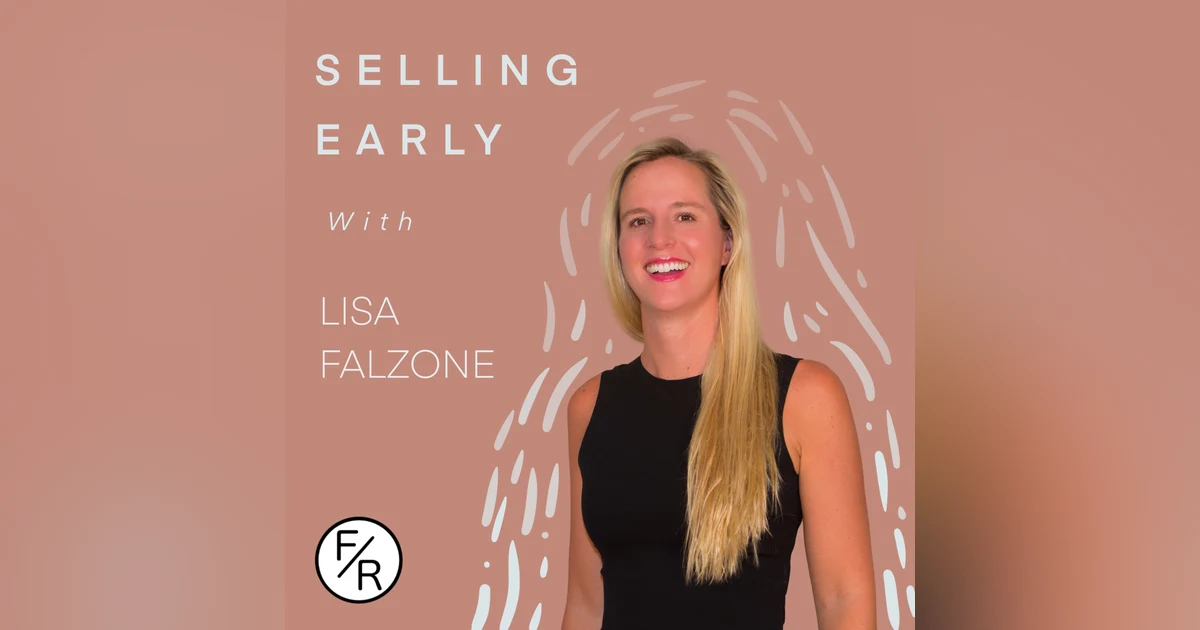


For our long-standing followers asking if we haven't released any new episodes in the past 8 months because we died - no we haven't, still kicking it! This new season of Fundraising Radio will be still catered to our old listeners but this time the focus will be on sales for early stage startups that have nothing to their name. Why? Because with the ongoing recession and great fears for the future of the US economy, more and more investors become conservative and want to see sales before they invest in you.
Let us know how you like the slightly updated format and most importantly - the subject!
Links that I've promised to include in the episode description:
- Lisa Falzone - Co-Founder and President Athena Security.
- Athena Secruity's website
- Book recommended by Lisa: The Four Steps to the Epiphany
- Chat GPT for google sheets
- Fundraising Radio's Substack: we cover A TON of very-very specific strategies there
0:05 They're releasing to fundraising video a podcast about fundraising for early-stage startups, the major rule that we follow here is no bullshit on this podcast. No music to relax, you know, advertisements of our sponsors. And in this new season of fundraising radio, we are changing things up and talking about sales, for early-stage startups, instead of just the fundraising portion of it. And today's guest speaker, we have Lisa falzone, co-founder and president at Athena security and in the past Lisa solds one of her company's Revel systems. And in this episode, we're going to talk about both things switches, the build-up of the past company and a current company that Lisa is working on and how different is Lisa's sales approach to these two companies. So we said, let's kick it off.
0:53 Simply just give us some background yourself and on a thing security. Yeah, so great to be here. So I started Athena security. After I sold my last company Revel systems, we grew up from zero to eight hundred employees, and sold it to private equity and 2017. Then kind of retire for a little bit and wanted to do something more altruistic afterwards and wanted to go after the school shooting problem that was happening in schools. And so I wanted to create technology to help. Save people's lives. And so that's exactly what we've done at Athena. So it's a brief background about what I've done. Perfect.
1:36 And can you actually on our pre-interview called that was the instant use case that I thought of? But it can also be used in a bazillion other ways. So, shortly, it is a detector of concealed weapons, right? Different from metal detectors, just so that everyone is on board here. Yeah. So our product is concealed weapon detection. So with metal detection, you have to, you know, stop anyone with metal, that has metal on their body but what this we let, what we let things through like cell, phones keys, and then we stop someone if they have a weapon. So, you know, it's more frictionless than a metal detector. Where it's a passed through says, some obviously, not everyone is passed through, because if they do have a weapon or something that looks like, A weapon, they would get stopped but it doesn't, you know, it doesn't slow down the flow of traffic and so when someone yeah and so that's, that's how it works.
2:39 Perfect. Good to know. All right, in that case. Yeah, let's start by talking about the previous company that you've mentioned that you build from the ground up and ended up selling Revel systems. What do you think, allowed you to get to the point where, you know, you could actually find someone who is willing to buy the company would do you think was the key? Parts of reaching that success. I know it's a broad term. So let's let's let's focus on the sales part of that question. Yeah, I mean, so we started the company in 2010 and really, it was a pivot from doing online ordering and so, my co-founder and I Chris who's also, my co-founder and Athena we were out there selling different restaurants and retail shops online ordering at the time and everyone was like, you know, that It's cool. But what I really need is a point of sale system. And I was right, when Steve Jobs had, just announced the iPad and we were getting just a lot of demand for a point-of-sale system.
3:38 People are like, you know, cool ordering system school, but I really need, you know, a new point of sale system. So we just thought it was such a huge pain point and the market and pivoted to do iPad point-of-sale and really never look back and scale from I'm there we raised a series a series B series C and then with the last transaction of series, D my co-founder and I accident majority of our shares to the private Equity Firm. Sweet. Always happy to hear some nice exit stories and that is, yeah.
4:18 Let's, let's talk about the changes in your sales approach on our printer recall. You specifically mentioned the book, which I forgot to write down by the way. So if you name the title and the author, they'll be great for our listeners. Puts the book is focusing on selling the product before actually creating the product which is a very popular idea in the startup world, but still a lot of Founders do not follow it or even Attempt to follow it. So in your case, how did you apply that strategy to both Rebel systems and then to your current company thing to security? Yeah, no, it's really good question. So, the book is by a Stanford Professor, Steve blank, and it's four steps to the Epiphany and it's a really dense book, but the bottom line is sell the product and then create a product.
5:06 And so that's exactly what we did arrival. We, you know, we're kind of out there. Elena. And then we wanted to make sure there was a ton of demand and then and which product has a ton of demand before we then created it. So we actually, when we started Rebel, we were in a meeting. Like I said, selling the ordering app and it was our, you know, it was this client, Michael a poor, it's out in Sausalito and he's like cool idea kids. But what I really need is an ordering and I a point of sale system. And so I looked at him I said, we'll build that for you and so we Really kind of like pivoted on the spot, but we had gotten a lot of demand, you know, a lot of demand and feedback from the market.
5:48 That was the pain point. So we really sold the product and then and then you know, we're like hey as long as you know, will build it for you as long as you buy it. So he sign the sales contract and then we went off to build it and then you know, from there we just kept growing with Athena security. I think I was a little bit. You know, I don't want to say arrogant, but you know, I wasn't as humble as when I was starting its Rebel systems. You know, I had done it before I had a success and so I didn't really follow that framework. And I really came at it from more of an altruistic point of view of like, hey, we want to go after this. Huge problem gun violence that's happening in America. We want to use technology, help solve the problem. And I went through it that way in our first product was natural, light weapon detection.
6:44 And there was demand, there was interest, but kind of like the ordering a poor. There was like some demand and some interest, it wasn't like pots, so it wasn't like I think there's like various degrees of like product Market fit but anyway, so then through selling that, you know, it took a little bit longer but people were like, hey, this is cool. But, you know, I can only see I can only see a notify a brandish weapon. I want to see concealed weapon. And so then we started building the concealed weapon detection product and that's what we have today. Yeah, I chose. So let's before we talked a little bit more about the things that you ready, let's talk about that pivot for Revel systems. I've heard a lot of stories where Founders, make major changes based on the advice of like an individual contributor or even if that contributor is extremely wealthy and Promises a lot in your case, why do you think that was justified? You know, it was the contract.
7:44 So big or did you just have a lot of faith in that specific individual? What did you see that same feedback coming from? Number of people and then yeah, because it wasn't just that individual. I mean, that individual I mean at that point we thought it was pretty like a pretty big rush. So I mean he was like a freak, you know, a franchise and there's three or four stores and Sausalito. And to us at that time, that seemed pretty big, but we didn't just build it for him. Obviously, like we had gotten feedback from other, you know, restaurant owners that we were selling to of like, hey, cool. Like you're ordering out of school but I need to integrate to my point of sale. Then we Call the point-of-sale company and like they didn't have open apis, and it was like, nah, Cloud base and just, it just seemed like such a pain point, from an API perspective, like integration.
8:32 And then also just from a customer demand, like everyone kept complaining about the point-of-sale system. They just really, really complained about the point-of-sale system. So we're like, you know, that's, you know, an every single and we also liked it because every single breath Strong typically has to buy a point-of-sale was like they don't have to buy necessarily like an ordering happy like it was mission critical for the business and so then we knew that there was demand mission-critical that's a good term which a lot of Founders should definitely think about otherwise it does not Mission critical most likely it's just a nice to have kind of solution. Yeah so let's get back to that book.
9:12 I do like that whole strategy of selling before it's builds so forth in a security. How did you manage to do that? Because I would imagine in that building a concealed gun detector is kind of complicated. So how its selling that before it was actually developed? Or did you well demo will was that stage when you decided to start being reaching out to people and trying to get contracts? Yeah. Well actually, so we were, we were selling the visual light weapon detection to a large mall and this is like right before covid. So you know the world kind of changed with physical security was covid, you know but now it's back. So thank God. But Anyway, we're selling this visual, I weapon detection, and we had sold it to this mall, but then the mall CEO was like, you know, I really, really, really want conceal. What weapon detection and he has idea was like, Hey, do it thermal like do it with thermal imaging and we're and you we looked at thermal imaging, we're like, it's not really that accurate.
10:10 It only picks up on, you know, he differentiation sort of like, at best, it's between like 10 and 40 percent like accuracy. He's like, I don't care if that will help me more even more than the visual. Right, says, it's like, at least some people we can detect coming in with a weapon. Even, it's only even if it's only ten to forty percent accurate. So we're like, wow. Like this person is, yeah, this one big large Mall CEO was willing to pay for for, you know, something that is only done in 40 40 percent accurate. Now, our product right now is way more accurate and we don't just rely on thermal But yeah, that's kind of how we knew. Do we sell it before?
10:55 Yeah. Like we, like right now we said it's different than the SMB market so we sell crime or primarily to Enterprises where Enterprises a lot. He's Enterprises that we're selling to you got to solve the security first, you got to sell, you know, to upper management. Then they got to sell it to the board and there's like procurement and there's like approval process - so, it's a difference sale. Then the SMB were, you could get quick. Yes. Isis. But we knew we had like the yeses. You know, we had at least the verbal yeses before we went and built it. Gotcha. Interesting. So the verbal. Yes, is always good. My standard advice to Founders is usually don't rely on verbal yeses as long as the money's not in a bank that does not count as a yes. Did you see a lot of the conversions from those verbal? Yes.
11:44 Has to actual paying customers after you? Yeah, almost all of them. And I would agree, I think your advice is correct because I do think that you can get a trap or again it's like a nice to have versus like I really really need this. And I think that I think that that is why you're like hey like get get the actual money in the pocket. But again it's like it's a lot different starting to sell to Enterprises and smbs. So we had pretty we had very strong like verbals that it was just like Like getting the paperwork done and the sometimes it paperwork takes like five months of these up. Yeah, yeah, yeah. That's the downside of the Enterprise. That's why I don't like them.
12:29 To be honest too long, too long. No I think it's really hard to sell to the Enterprise being a start-up because it's like yeah, yeah. So you have pressure from your investors to make 10% month over month growth and that it's just like not really you know it doesn't really work like that and it probably does not everyone. His butt. Nope. So weíll talk a little bit more about the sales part here. Because again, there are so many applications to your system in the states, especially with the current climate around. Everyone knows that mass shootings every other day or daily. And it's pretty much every industry that has some kind of public involved in its in a physical space kind of requires that solution.
13:14 So, how are you staying focused and just bring yourself too thin where you're falling into that. Trap of trying to reach to Mania and eventually that becomes kind of spray and pray approach that doesn't actually hit anything. Yeah, yeah. I mean, I think that every founder has or different approach for this. I mean, I would say that like our biggest verticals, surprisingly, like we started the company for schools and schools are definitely like a big vertical and we see that as a huge growth opportunity. But our first main vertical has actually been Health Care over the rooms And so we've really, really worked hard on like knowing what the customers needs are with health care, what their software needs are what they care about, what the hospital security people think about. And and so yeah.
14:06 So it's like so as far as like customization we had to really make a decision on like do we want it? Because my co-founder and I are, you know, our background is snv. So we have like a special place in our heart from Um, for smbs, you know, and so Devon and Pitch, you know, some smbs, you know, jewelry stores and that kind of thing that's still deal with gun violence in a little bit of a different way, but, and they're like, grave, but we know the product right now is like just too expensive for them. So it's like we could go after this and B's and sell them hard but it's you know you might you're going to get a lot better pick up with the Enterprises. So I would say we've really focused on the Enterprises with this product. And then, and then just focus on this Health Care, vertical first, and then we're kind of expanding now. Perfect, end to good luck with danger price. It's always a tough industry to get into and speaking of tough industry to get into.
15:06 But again, as I start up, usually don't have anything. You don't have ICP, he don't really know how to pitch. You know, what clicks with people? What kind of keywords to use. You don't know. Shit. You just go in blind. So for Founders who are listening to this right now who have kind of a product or who have a good idea of what the product is going to be look like got to look like not be. What would be your advice for them to start baking? Some kind of sales, even if it's going to be like a soft limit plus. I know maybe pre-order at even 90% discount because that's still better than nothing. Yeah, advice to those Founders. Oh, my bias is just go out and talk to people like that's that's what this do blank book talks about is like get out of that, I'll get out of your, you know. Now we all work on Overhaulin.
15:50 Get out of your home, get out of your office. And literally go talk to people and sometimes that's hard for engineers, right? Like they're you don't really want to go talk to people. They just want to like, you know, like sit and create these, like amazing product. You like, you might not know, like, if they're, if they're gonna sell, right? And so, you really, either, you have to be an engineer that partners with a really good product Market, fit sale sales person, or you got to kind of become that yourself. So I would say, get out of its get out of your computer. Get out of being on your computer and really go talk to people that are going to be end-users in a, you know, in B2B my a my experience is all be to be. I think it's slightly different would be to see but but yeah, I would say for doing a B2B company just really, really go out and talk to as many people as you can. Why do you think is different for b2c? I actually think that B to C is even easier to talk to customers because you might as well just go quite literally on the streets.
16:50 Busy street with him like notepads and Start pulling people aside, unless you have a very like, very targeted Market in your mind. So, what do you think it's different or harder? Why just think. Yeah, I mean, I think, I just think B to C is just different, right? It's like more like, you know, it depends on what kind of b2c company are building the like a lot of is like okay free user growth and then, you know, eventually will monetize later or like for we're just trying to get users and then eventually will monetize later and like figure out the business. The clan later. B2B is like, okay, we understand our business plan. Like from almost day, why are you should understand your business plan from day one after you get your product Market fit.
17:33 Yeah. But I agree, I think B to C is, you're still, you still want to talk to users and, you know, see what, see what they're willing to spend their time on. Yeah, that's Fundraising radio Prides itself on being very specific on advice. So I'll try to narrow it down, even more. I've heard it a lot, you know, go out, talk to users and I'm sure a lot of work pretty much every single listener of this podcast has heard that before and it is vague here like you do. Do I just go pick up a phone and start calling people on Google? Well, some the search or what would you do or you know, what did you do for think security? How did you start talking to people? Yeah, I think it's a good question. So like So, what we did is we first started talking to people because we were selling something different, right? So my co-founder and I, we did come up in an office, or at home, or whatever, like, the ordering up idea. And, but hey, that we think this might be a good idea. So we went and tested it and actually started selling it and then we like pivoted, same industry. But like we pivoted a little bit it was just start showing it. That's, that's the real question. Do you start cold calling them.
18:47 Did you like search hospitals in my area? Yeah. So 444 Revel. We so for Rebels if insecurity since it's more recent so if yeah. What's I was questioning him? Would you start making those cells? How did you start going and talking to people? Oh, because we launched with a visual light weapon detection. And so we had inbounds from the visual light weapon detection. And so, we just started talking to those people and that just seemed like a nice to have product. Not a, I have to have her product, right?
19:27 So, how did you get the inbounds right away? The inbounds. We did a lot of press. Oh, all right, that makes sense. Okay, that's a good strategy to and that's inbound is so much better than they have outbound. How about is a pain in the ass but it has to be done quite frequently. Yeah, but when I like that's I mean we got a lot of press because we were you know, second time Founders. Yeah. But the first time like we weren't right. We're I was 25 at the time when I started it and that and that we are just kind of walking door to door talking a restaurant on Earth. Well, as a painful process, I've done that in the past, they would have, I not been called there, love that part, but that was still one of my best startup experiences. Anyways, quick advice to Founders who are listening to this right now.
20:15 If you have to make cold calls or like do a very uncomfortable, kind of procedure, what I found out to be useful is having one ear with some kind of distraction like music or something like that, a little volume and the other. Headphone with actual telephone call, so dial. In Once In One Ear, listening to music, the other ear, listening to the clients, figure it out, it helps quite a bit, you can dissociate a little bit more but still listening to the clients. So help me in the past get over the fear of cold calling and works like I don't really like I don't like cold calling is no one dies. Yeah no one does. Here's the thing with that strategy.
20:55 I'm telling you I've been stressed about it for like maybe Day or two. And that I kind of just like, oh okay I'm not. You know if it goes south and they dropped the phone, I still have the music and other here. I don't care moving on so it helps a lot if you have to do those. Definitely try it out. Yeah. I would only do it if you have to but like for the for like the restaurant industry, it was actually better. Just like literally go on the restaurant and like talk to the right but then it takes you like maybe 5-10 minutes per restaurants of walking in True, but your people are way more likely to like talk to you in person. I actually had when I was doing the restaurants tarp of my own, I had more success called calling surprise anymore. Yeah.
21:42 Male may just volume at that point. It's just, it's just the way to go, you know, you know, listen to your music that pumps you up and half, you know listened? Yeah, yeah, that's the way, a hundred percent. So now that we've covered the old strategy of cold Which by no means is required. But again some Industries just thriving, it's because again the input is some Founders. Don't expect to cold call, you know, B2B founders of some kind of a ice tarp. Most of them list their actual cell phones on crunchbase. It's just that simple and they just don't change it ever and just reach out to them and say, hey, you found your number on crunchbase. Here's what we're doing. Open to chat.
22:23 We're yeah, straight up Works. Another thought? I had. I've never really Done it before but it's like why don't people just go to Industry event. So it's like they're selling into this very, very where there's like heads of security just go to just like get a conference ticket and then like go to the networking events and just like you're right there with the clients. A girl. Yes Harper sent that also does work, it kind of can be expensive depending on the conferences but it does work 100% does and just FYI for people who are trying to do that, if you plan to sell, reach out to the organizers of the event. So you don't just get in Multi kid because you get a side. I if you're just an attendee trying to walk around and sell the hell out of everyone there so you have to be like a sponsored visitor or Venture with no tables.
23:09 Some kind of dads yield that they provides most of the time because again if you're coming in as an attendee and trying to sell to everyone at the event, might ghost out for you. So make sure to take a look at that. Make sure to not just take advantage of organizers for putting their timing to that and be respectful. So with all that That old strategy in mind which is going in person and cold calling cannot believe. We're discussing that in 2023 but it does work. So with all that in mind Lisa, what do you think is the best technology to use right now especially with the developments in AI space for sales? Some amazing tools are coming out. Have you seen anything that's particularly useful that you've recently employed?
23:54 Good question. I think we're just kind of still using a little builds. Well I mean, I'd love to say, hey, we're using chat gbt on an everyday basis but we're like not really doing that. I think just just like a variety of different approaches advertising PR going just to like being industry. Experts is really good. We've hired some really great industry experts on our team that are, you know, Well known in the industry and can kind of go to, you know, be an expert and go do speeches about it and and it's I just like educational speeches about it and and she's a great way to get our name out. Oh yeah, 100%.
24:41 That's definitely a working strategy, especially if you're selling to Enterprise, which means that if you get one account out of that big speech that it will cost you like five thousand dollars to set up. Your still said in that case, I'm going to throw in a Suggestion. There, you know, obviously tragic Beauty, everyone knows about that. There are dozens and dozens of absolutely killer extensions. The one, I recently started using is called GPT, for Sheets tool is an absolute killer. If you're working with Excel or Google Sheets, that will improve your life. Like I don't 20 times, maybe Google ads is going to be there. It's amazing sometimes.
25:21 It legs granted, sometimes it's slow granted but again, it's improving on a daily basis, so check it out. Doubt. I'm going to leave a link in the description of this episode and we are moving on to our last question. If today's episode which is very standard question that I've been asking for three years and a half at this point. So Lisa, before the listener drops off work right after they drop off, what do you want them to do? What is one thing that you want them to do to improve their complaint to improve their sales? Just one thing that will have an actual effect on their success or get them closer to that success. Yeah, because the one advice I have is like be comfortable with being uncomfortable and as long as you're putting yourself out, there you're doing better than one of those cold, timid Souls, that know, neither Victory nor defeat, because you're out there in the arena and I am paraphrasing, I like a Teddy Roosevelt, well, you know, you're in there Arena. And it's like, if you get rejected, it's like, actually think that think of That is a good thing because you're actually doing it versus those people that are too afraid to try.
26:34 Oh yeah. 100% granted. Some rejections are memorable. I for example still remember my days of walking door-to-door to restaurants and someone call me snowflake that has nothing better to do but you know move down. Still remember it though. So if you think something is too uncomfortable for you to do, that's also Fair. Don't push yourself too far or you'll burn out. My piece of advice is going to be. As always, check out the description of this episode. I'm going to leave a bunch of Link's there. A link to the book. That's Lisa. Mentioned to link to Athena security and link to the GPT extension dimension for Google Sheets, and I'll also leave to our sub stack because a lot of content that I've recently produced is going there instead of the podcast.
27:18 So check that out. And as usually have a good day,