Friends and Family round - how to comply with the laws on such an early stage of fundraising by Yev Muchnik - expert in securities transactions.
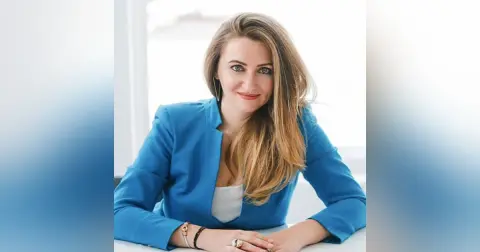

Early stage fundraising can become a legal mess - mixing friends and business is always dangerous and might lead to serious legal issues. To help you guide through this process Yev Muchnik in this episode of Fundraising Radio explains what are some of the major regulations that you need to follow while raising your first money.


Early stage fundraising can become a legal mess - mixing friends and business is always dangerous and might lead to serious legal issues. To help you guide through this process Yev Muchnik in this episode of Fundraising Radio explains what are some of the major regulations that you need to follow while raising your first money.
Launch Legal: https://www.techlawstartup.com/
0:00 This is fundraising radio and today is a guest speaker will have he have much Nick founding member of Lounge, legal LLC and today, we're going to talk about legal side of fundraising specifically raising super early stage round and more. Specifically, we're going to talk about raising friends, family and fools around and how to create that from a legal perspective and not to get into any troubles mixing, your family and your business. So Kiev let's get started by you giving us some background. On yourself and on launch legal, LLC. Sure you very much for having me on. I'm excited to add some of the Views that I have gathered from my experience at a corporate and interface and securities attorney.
0:47 I started my career at a large Law Firm or international law firm doing, corporate private, equity and m&a Deals and I actually started in 2008. So right when the market, oh thanks was also in a very similar position that we are in today. Yep. Experience, because I did it to participate on some some very, very launch deals in different Industries across difference. There's but I had to be nimble, very much like a entrepreneur and so I then moved into doing some white-collar investigations with the Foreign Corrupt Practices Act other.
1:34 Similar regulations. But then moved into the position of general counsel for a publicly traded tech company out of genuine and did that for a while we went dark or stop reporting. So we took ourselves off of the public stock markets and then also divested into a number of different units that the company had. All had and one previously. So and Healthcare and software development, and adjunct consultant, and government contract is so I did that for a little while and then started Moonlighting for a private Aviation Tech startup called jet smarter out of South Florida and was doing both at the same time for a while, help them raise their seed and multiple a levels of fundraising Series B, fundraising as well.
2:33 Move down to Florida permanently, or pull time to concentrate on that, as they then managed to hit unicorns status and do really well, after that. I am very much an entrepreneurial Type of person as well. And so kind of wanted to do my own thing and start my own startup. So I moved Back to Denver, which is kind of been home base for a while and started my own Boutique Law. Firm focusing on Tech and startups and emerging Tech like blockchain and Ai and in the Cannabis space as well and also started a co-working space for transactional attorneys trying to maximize the ability or maximize the kind of the principle of access to Justice and accessing the attorneys at if levels and then also creating sort of a side Consulting, business and cream legal tech for for the clients of those attorneys. So now I've exited that That startup and have been primarily just focused on my own room and coming in as as a key advisor. And sometimes as a key member of the core team of a lot of startups, ranging them early age to being fun, bid, to sort of seek multiple rounds of Epi
4:05 dancing in the on their path to exit as well. So, it's been incredibly interesting. I've learned a lot. Still have a ton to learn and learn Something new every oh yeah and just being creative. One more interesting components of what I done. Why? I love what I do is being created in and corporate governance and legal. Structuring obviously there's a number of corporate legal And to tease that many people are unfamiliar with that you can use to to be to, to kind of meet a number of different objectives for privacy two tanks to just kind of different levels of holding assets, within your group of companies.
4:55 So having and I get a huge kick out of that and a huge nerd about all that kind of stuff. Oh yeah. And a very enjoyable and Actually the blockchain community has really amped up a lot of these initiatives and seeking sort of more decentralized ways for her approach to governance. So yeah, that's where I sit right now. I am. So I recently joined as general counsel of y 0, Phi, which is one of the first special-purpose depository institutions in Wyoming. It's a bank, which will basically go. Form, digital asset custody, and they're really pioneering what they're doing and Wyoming which is surprising, but they're very much advanced in so many different ways. We had a lot of really interesting projects that I'm working on and Advising as a outside advisors on. That's the, you have a very, very serious background, a lot of them.
5:59 So let's get started from friends, family and fools around. This is a pre pre. Seat sometimes and many Founders. Actually start with this triple tap around, but sometimes they think that's, you know, it's just my family, there is not know, may not not many legal documents required, raise my friends and family, I know the molding know me, but when things go wrong, sometimes it can be really dirty. So if can we go a little bit in depth into what should the foundry do to avoid this sort of problems? Right? And well, it just depends on, you know, what kind of relationship. You'd like to maintain with those friends and family when it done down the line, right? If you don't really care, then there's a lot of people doing. It's all Karma and I guess it all follows you into the future rounds and the future success of your business. I think, you know, there are a lot of people who will step over the bodies of their family members to get to what they want.
7:04 And it just depend on On depends on your personality and your kind of leadership and executive team and your board team structure and maybe at the early stages, probably premature to even talk about those kind of Concepts. But I recommend, you know, at least at least at a bare minimum to have a safe and place even with friends and family because at least a documents, you know, the the investment and had gives them some kind of Security in any future success of the company. And when I say security, I mean, that's also kind of a loose term because it just depends on which version of the safe you are, you are granting to them as well.
7:52 So Constantine, you, and I spoke about the the the fact that there's two versions of the, the faith document that was that was introduced by y combinator, one was in 2013 and the other one was In 2017 or 2018. But the 2013 one basically is lives and some World in because it's not necessarily a security and it's not necessarily debt. So the investors that were coming in at that round even though it was really convenient for the founders in the startup to have a very easy document in which to memorialize the investment and that was sort of a standard form. You meant, that didn't wouldn't take a lot of legal expense, wouldn't take a lot of back and forth and negotiation part from valuation and evaluation camp and discount. So, but and then they realized that it just it gave the early investors, no protection.
8:54 So there was this major downside of holding on to this the safe note, which just didn't give you any kind of Security. So y combinator realized that they revised the version in 2018 to what's called a post money. So he's so basically giving you and I will go into, I won't go into the weeds because it can get very kind of confusing in terms of all the legalese but generally it treats with a post money safe treats the round of financing even at that early stage as a separate round. So So, you know how much you're going to be diluted against future rounds? So, I mean, if there's if there's only one round, it doesn't really make a difference. But if there are multiple rounds even at the safe stage, it allows you to sort of clarity and to how much exactly you, how much exactly the the pie that you own with your investment. So, going back to the question of, you know, of the formality of the Year legal documents with the friends and Around. I would recommend it just because I think you should be a good person and we should, you know, like I said, the car must fix to your company and those people that really believe in you early on are taking the biggest risk with their money. So they should have some way if
10:25 there is future success. They should have some way of participating in the absolutely. Yeah, I think so too. I'm not definitely not on the same page with you on the karma. Side. I don't believe in karma. I'm more of a firm US law, that's going to punish because we anyone who you can try to think of deal with us. So let's go back to the documents in the friends, family and fools around. What, what sort of documents should they include other than safe? So, should they register this offering with the SEC or any other sort of entity? Right. So that's a good question. So in Documentation.
11:07 And I believe in good corporate hygiene and I would, of course, say that because I'm a lawyer. But I think that a very again, at a bare minimum, there are now so many resources even online, they're not always perfect, but which will kind of give you at least a Silicon Valley, version of a start-up that's legally compliant in a box if you will. So you Got resources, like clerk e, you've got resources, like cool ego, you have resources, like shoebox Carta is now rolling out. Some kind of forum documents and form resolutions on its platform. You have new players coming into the space, like Equus start, which is basing, its cap table management offering on the blockchain.
11:59 So there's a I think there's enough I'm not, you know, And of the Rocket Lawyer of the days or all those other kind of websites, I've had to clean up a lot of messes and they're more costly than making that investment upfront as a start-up. I know that, you know, you're trying to run with kind of a Lean Startup and budget. Keep kind of horde any cash that you do have in the in the setup, but legal is really, really important. And you do have a lot of lawyers including myself that That is able to work with that kind of a team and that kind of a budget and, you know, caps so that there's transparency and how much the the startup is actually going to spend.
12:45 So you can prepare all these documents yourselves and then come to a lawyer and say, let's carve out, you know, 3-4 hours of just consultation time to confirm that. We are achieving what we want in these documents and we truly understand what they mean for us. Right? Because if you're if you're Founders. And then all the sudden you all sorts of things can happen, right? With the documents that you don't fully understand that you're just going off the internet anywhere from, you know having some kind of a call writer put right on your Equity as a Founder. Leaving you basically without anything upon certain event. All sorts of kind of like what are called, bad boy, bad girl, Provisions.
13:30 So if you're not understanding the language and you're signing need you could you think that You just have to have something, you should be wary and you should understand that there are other resources which you can tap into to, you know, to really have all to check all those boxes for incoming investors, but not have to spend, you know, kind of no offense to cury but Cooley prices or whoever else or or crisis or, and Wick, or any of the other wonderful large firms that really play a role in later stage. That's great. Actually, you know, and then as far as your question about security threats, we are registration for an exemption from a Securities registration. I think I kind of said that roundabout, but I think most people know about a reg D exemption. So usually when you have, when you raise money or you Securities is an issue, or you need to either register them, in which case you are making it public or You need to find a an exemption from registration.
14:37 So typically you're covered under Section 48 2 which is kind of a private placement under the Securities Act of 1933 and and you typically try to find there's a and against Securities laws is not for the faint-hearted because it's very intricate, but but generally there is something called a private placement and then you would file a form d. 15 days from the time that you take in your first cash. They've been receiving a lot of questions recently, for those that didn't file the form D and kind of being concerned about what repercussions that may have and our origin.
15:21 There are repercussions by the SEC, but they're not sort of over there. Not going to go and find you so. But if you then raised, multiple multiple rounds in the future, you should definitely think about. About filing that form D and some that you know a lot of people file it late but they say that the SEC says it's better to file. It late than not fight was at all. That's great. That's that's so generous of sec to do because I thought they're much more firm on. This is like if you file something several months after you, the deadline you're already dead. Basically, it's great time.
16:04 There are two done look much larger private placements in the realm of. So you know I mean like 25 million and they haven't they haven't filed the forms on time and they're still has not been over repercussions but I mean, don't don't hang on to that because you just never know what the SEC will dealer won't do. But it's just that it's not sort of, you know, like a black death that they're going to find you and knock on your door and put you in jail. So she's like I rest. It's like Like they find one of 10 people who are breaking the rules but if they find you your your skirt. So don't compromise with SEC just file everything on time. For my it's not so hard this is.
16:45 So let's go a little bit more and talk a little bit more about choosing the right safes and how to evaluate them. So many Founders, I've been asked this question multiple times, how do you evaluate my company right now in a safe which include there? What sort of discount is normal if I'm To put to hide these Council like 70% discount of the next offerings. Going to look weird. And if I will put too low it's not not that much of a deal for investor, it's not going to interest them. So what's a overvaluation there in your opinion, you know, it's it's it's difficult for me really to provide any kind of solid advice on that I would say.
17:32 I would say, I think the best advice that I have read, most instructive advice has been guy. Kawasaki's art of the start 2.0, so he provides a lot of great advice in there about valuations, right? That, you know, with early-stage companies, depending on whether you have Revenue, don't you're pre-revenue. I mean, it just there's so many different factors that are involved. But, you know, nobody unless you're sort of Really out in the clouds and, like, you're pre-revenue, you don't have a MVP or POC or any of those like the technology or any products and your belly. You giving yourself a valuation of 10 billion? Like, they're just gonna, they're not even here they're not even, but so they're, you know, they're reasonable ways to to seek evaluation for an early stage company. I would say, you know, obviously have a good group, Advisors that you speak to that are that are sort of mature and thus, in whatever industry you're in, and they'll be able to guide you on what kind of factors investors would look at so. But in terms of you Financial evaluations, they're different kind of methodologies.
18:58 Like the scorecard method when we were looking at different. Current kind of factors and giving each each away and giving you kind of a raw score. So, yeah, so that's a time and I think it's less less. So beagle, rather than believe what's what's market? And I think the best post that you can get on that is people who have been in the industry for a very long time in that specific industry that you're in because it just varies from one to the next. Next Sookie. Can you mention that book Yen that you just said about the valuations? The the scorecard method scorecard, what it's called the scorecard method. For example, that looks you know you gives different weights to the size of the opportunity.
19:50 Your team how destructive your widget or a product or services in the market. Your sales channel is the stage of your business, where the revenue is coming from whether the Prototype is in place. Or were you just so there's a number of different. It's factors that can be included into that kind of consideration and then the investors, you know, give it a rating and rates, whatever them they're like, okay, this this has the ability to be, you know, a pre-money valuation of 2 million. For example, that's a good reference so I'll definitely myself take a look at this book and for those of you who will Unpretty, sure forget the name of the book by the end of the episode, I will include the name of this book.
20:36 In the description of the ABS. Oh, so you can check it out and you should definitely take a look at if you have questions about how to evaluate your company. So now let's talk a little bit more about choosing the right safe. So they're not the safe, my bad choosing the right fundraising tool. So there are convertible debts and convertible Equity notes, can we go a little bit in depth into this? What's the difference between convert convertible? Dads and convertible note. Well, yeah, I mean I guess I would more say that you have a convertible Securities generally and those convertible Securities are technically considered debt because they have some kind of a maturity day and some kind of a interest rate on it. So I guess maybe it's a convertible like a, you have a convertible note, right?
21:32 That that is considered a security that then at some stage Apollo upon Meeting some kind of a qualified financing or other event converts into equity. And then there is the just straight debt which would just be in the form of a of a promissory note also with some kind of a percentage. So in terms of, you know, when the market was sort of voyant right before this covid crisis, hit upon us, there was a lot of cash in the It and it was very cheap cash. So more and more startups and an early stage companies were taking on debt, rather than giving away their Equity.
22:22 So you just have to think of, you know, one how resourceful you can be with attracting fun and whether it makes more sense to give away, more of your company or give away more of your cap table and really managing, how much of That slice of the pie that you're giving. So again with kind of convertible convertible notes, thinking through how many rounds you're intending to raise before, like a pure series, a, for example, and then having those that series a round, be a lot larger than your predecessor, your series seed rounds, and then just I guess, you know, series a investors are going to be coming in at a higher amount to probably going to have a lot more requirements in terms of their rights over the company. So it's a balancing act again.
23:21 I don't know that there's, you know, a right answer for. It depends again on the team, depends on the sort of velocity and the expected for projected five-year revenue, for example, right? And so once you're once you've made, once you have your The intial people in the company who are able to make all those kind of category calculations and they are able to make those projections and build out those models and they should really be, you know, in a position to say what would work best for us in terms of how we probably raising money, right? That's a good advice.
24:03 So here, I want to talk a little bit about your own Angel Investing. Experience. So you have a lot to do with stirrups and you've said that you're really love this field. So you've invested in starts yourself, right? Can, can you tell us a bit about? What do you like to invest in what we're looking for? How would you invest? Yeah. So I guess I'm fairly new, you know, but probably been in this position for the last two years or so. And I consider myself kind of a micro investor. I am a part of a fund called opener dot BC and their strategy is to exchange services in lieu of compensation or in lieu of capital for Equity.
25:00 So their model again is kind of Aggregating, all of the needs that you have at as an early stage startup, like marketing and developers and engineers and lawyers and all that kind of packaging, it added value and providing it in exchange for a certain percentage of a start-up. So there's that side of my experience and kind of where I'm heading and building that out more currently. It's Its focus more on, on the Middle East, and Europe and North Africa as far as startup companies.
25:42 But they're potentially, some point going to move into the us as well. And then for myself just kind of was in a micro angel investor I typically typically look at sort of the team how serious the And what they're doing and really whether they're giving their all and what they're doing. I tend to focus on some areas that I'm more familiar and then some of the areas or Industries and sectors that I'm not as familiar. So I tend to invest into or look at a lot of legal Tech startups and some of the other ones that I've invested into our in Aerospace products, as well as as one that is in the renewable energy evaporative cooling space as well as which I this is a lot of science fair and I kind of want to be and so that's how I put my foot in the door like dip my foot into being a part of the discussions and and it just makes me very excited so but I don't profess to know nothing about him just like oh yeah that sounds amazing you know some of it is just got it and it's not even based on Any other factors, but having, you know, having a team that does team team, team team team, and so many for me. And so many of these situations
27:15 having a team that does their homework. That doesn't come with sort of these again like again during the Ico phase of the blockchain world and 2017. You would have every other person coming into my My office saying oh yeah this is the next best thing. We're going to be printing money and we're going to be buying yachts and Island. And so as soon as like somebody is already there without actually being passionate about whatever they're building like I just by totally dismissed that I like I can't see them seriously and so God that's right.
27:55 Yes. Teams that have been through a an accelerator like techstars or Y combinator or Startups or whoever you know whoever else right now is is is doing a good job with I or an incubator also are sort of prioritize because they've gone through the mentoring and the conceptualization they've thought about their product from multiple different perspectives. So there are just a lot more mature even though they're really still be early stage company. That's a good point that's a good point. Big benefit of going through accelerator incubator or anything similar so yeah we'll have to wrap it up soon. So last question that trying to ask all my speakers what should first three steps at the founder should take to get to the first check from investor?
28:53 The first three steps. Three steps that have Founders. It take to get to get that second build out your network. That's the number one step and whatever that takes to build that a network, whether it's virtually or once we can all see each other. In person again, is going to meet ups number to create a brand for yourself as a Founder. This is kind of a marketing Tech, right? Have somebody girls, you make sure that the content or the information available about you fits into the direction that you're trying to go. And number three is make, make sure that you know to the level that you're able to you have sophistication and kind of finesse around what you're sharing, right, that you're not. There's a certain air of of kind of Being cultured and us around, like, on the one hand, balancing being assertive and going for what you want, and being not as cannot quite as pussy, and in your face, and doing it in a way that, you know, when you are sending somebody your pitch that you're sending something that's, you know, probably needs more iterations down the line, but is in pretty solid shape.
30:15 Like don't you get judged by those kind of things if you're sending a quick stuff and there are mistakes and spelling mistakes And things don't align, you know, that just build that build that out and and don't do it kind of in a cocky way, right? That's a good way. It's always proofread because once I personally see it a typo on a beach day, I'm like, okay, it's if a person didn't take quite five minutes to read through these, why should I take my five minutes to read through this right? All right on this this this was a great app is a real loved it. Tons of great specific advice from legal side and there are so Much more topic. So many more idea.
30:55 Even say that, right? No, I didn't. Anyways, I'm Russian I have a right to do that. So There are much timid. I'm still tried are many, many more may meaning. We're thank you so much your Russian as well, but you have more experience, you know, and English. So, thank you. Thank you for helping out a fellow Russian. There are many. Many more topics for us is because on the legal side. So there there is a high chance of us creating several educational episodes, focusing on some specific fields of legal side of fundraising. So look out to those. Al's educational episodes with Eve much Nick. Thanks again you for taking your time for participating on this and have a great week.
31:42 Yeah thank you for having me. This is great.